




In the world of public relations, we are often defined by our ability to secure interviews and coverage, positioning clients as trusted thought leaders within their respective industry. But this doesn’t just happen overnight, nor does it come by just blindly pitching out announcements or story ideas to every reporter – it’s about taking a measured approach.
Results like these are achieved by developing relationships with reporters across priority publications for our clients. But these relationships are about more than just achieving results – it’s about developing partnerships. The most-effective media relationships are not one-sided sales pitches; they are two-way engagements. The purpose isn’t to use a journalist for coverage – it’s to develop a mutually beneficial partnership where we can provide them with compelling story ideas and expertise and reporters view us as a trusted resource they can rely on for commentary, added context or insights on forward looking headlines.
Understanding their coverage
It all starts with understanding the reporter’s beat and coverage. As simple as this may sound, you’d be amazed at how many of the reporters we have spoken with on our Inside the Media Minds and Gov & Beyond podcasts, who’ve told us that they wish more people would do some form of research on the topics they cover. Many of these reporters have noted that their inboxes are cluttered with emails and pitches that are completely irrelevant to them.
As communicators, it’s imperative that we consistently look into and read journalists’ recent articles, as it gives us a better understanding of the topics they’re covering. It may also present the opportunity to offer a discussion with an expert to either clarify something they’ve already covered, or provide new and compelling insights not previously written about. Also, a journalist may no longer cover a given beat due to any number of factors (i.e., news cycles, shifting of focus areas within a newsroom, new reporters joining a publication, etc.). Keeping a pulse on their writing will help keep you abreast of these changes.
If you’re still unsure of their beat or can’t discern topics of interest to them, many journalists are happy to either hop on a call or meet for a cup of coffee to let you pick their brain and discuss what’s top of mind for them.
Even if you know the reporter’s focus areas, these calls and meetings are invaluable – for communicators, our subject matter experts (SMEs) and the reporter. It allows you to also learn more about the topics that a reporter is keen on discussing, but might not know the exact angle yet or have the proper resource for. These conversations also allow you to get to know a reporter on a more personal level, as you can learn about their hobbies and interests. For example, did you know that GovExec’s Editor-in-Chief Frank Konkel loves climbing mountains? Or that The Register’s Brandon Vigliarolo is an avid gardener? (Check out our episode of Inside the Media Minds with Brandon to learn more about his other interests).
Forget the sales pitch, be a resource
Leveraging your understanding of a reporter’s coverage, communicators can identify potential topics and company spokespeople/SMEs that will be of interest to them. Fostering relationships with media is about positioning your SMEs as a key resource that has a pulse on the latest trends and topics impacting your industry – it’s not promoting your brand.
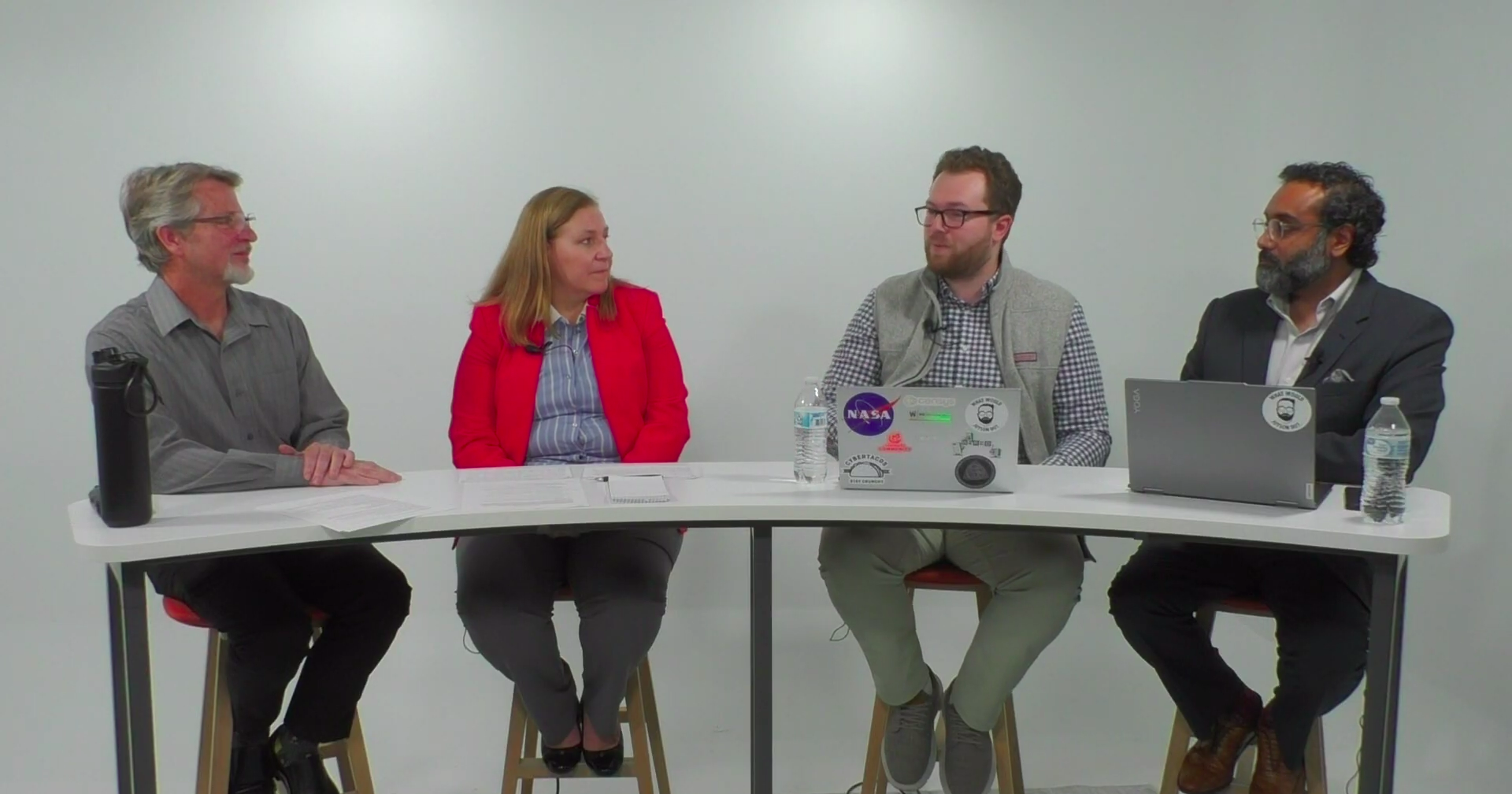
Don’t believe me? Check out what George Seffers and Kim Underwood from SIGNAL Media, the AFCEA media arm told us first hand in the latest episode of our Gov & Beyond podcast:
“We’re looking for people who can identify a challenge or technology gap and then provide a solution without being self-promotional.”
George and Kim also noted that it is equally important that company spokespeople and SMEs offer unique insights instead of repeating what has already been said countless times before in other articles or at conferences.
Also, remember those meetings I mentioned before? Those conversations are opportunities for SME to get to know the reporters and provide crucial early context and insight to help shape their upcoming work. By showing that you’re on top of the latest trends and issues, you’re not only establishing yourself as a knowledgeable source for a given story or topic; you’re positioning yourself as a resource that reporters will want to come back to.
Don’t just set it and forget it
Once the relationship has been established, you need to continuously nurture it. Schedule periodic check-ins with reporters, whether it’s lunch, coffee or even a quick chat at a tradeshow to stay up-to-date on their coverage focus. There won’t always be synergy between the reporter’s focus and a company’s expertise, but these constant check-ins help you stay top of mind with a reporter. It also shows that you care about providing them with quality sources that are relevant versus just bombarding them with emails. While we’ve established the value of these meetings from a professional standpoint, they’re also extremely important personally because at the end of the day, reporters are people too.
When these relationships aren’t treated as transactions, but rather are focused on being meaningful and intentional, it makes for powerhouse relationships and engagements.
At W2 Communications, we take a meaningful approach to our relationships with reporters – always striving to serve as resources to their coverage, while getting to know them on a more personal level. If you’re looking to change the way you approach media relationships, reach out today!