




As a communications professional for more than 30 years, one thing that sticks in my craw is the reduction of my profession into two letters that far too often get used as a verb. Let’s get this off the table right now, you never “PR something.” It’s not a thing. It sounds more like an abbreviation for an invasive medical procedure.
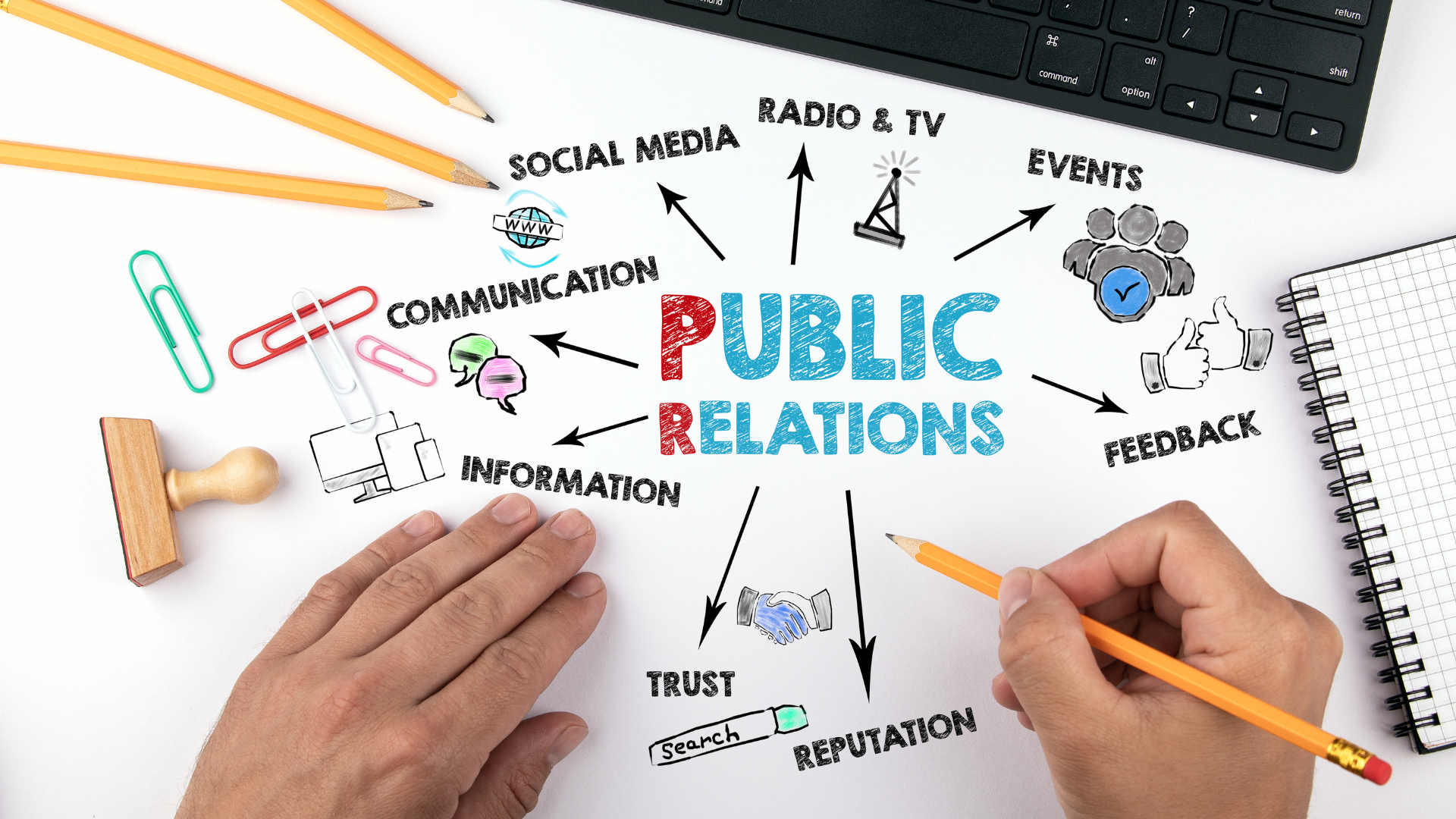
PR also does not simply stand for Press Release. Public relations is a critical business function, and one that is frequently underestimated, minimized, and when fiscally convenient (or in some cases, operationally inconvenient), it’s sidelined. That perception, or even outright disdain, is ingrained in two myths, reinforced by bad behavior. One myth exists in a historical bias, the other is the by-product of perpetual marketing hubris. Both continue to dog the perception of PR, and the people who do it. It’s a disservice not just to PR pros, but to the companies who need them, as good PR can make you larger than life, and bad PR can take the wind out of your sails, if not sink you outright.
Maybe part of this lies in the name itself. Public relations is an amorphous, antiseptic term that is focused on the “what”, versus the “why” or “how”. What does it actually mean? I’ve spent many breaths trying to explain what I do to relatives and friends. It also has a very “gatekeeper” feel to it. Herein is the first myth – the myth of “spin.” Some view PR people as obstructionists, or worse, professional liars. Good PR people, at least the ones who last, are honest, straightforward and seen as facilitating the sharing of facts. Anything less is often met with a career change.
Another misplaced belief is that anyone can do PR. While writing a press release or a pitch, or researching a reporter on a certain topic are learned skills that can be taught, the most critical aspects of a truly successful PR professional lie in a combination of personality traits – inquisitiveness, creativity, authenticity, empathy and honesty.
No one believes what they don’t trust. Thus, regardless of the audience, activity or medium, the core essence of public relations, or more broadly, communications is the creation and nurture of trusted relationships. In this way, we need to think differently about attributes behind the initials PR. The “P” is a constant – “Personal”. Everything a PR pro does needs to be personalized. It must speak to a journalist’s needs, a customer’s pain, a business’ priorities, etc. The R is multifaceted. It represents the aspects of how you establish and grow trust. Is the conversation Relevant? Are the facts Resonant? Do the interactions form a foundation for a strong Relationship?
So whether an individual email, text, phone call or a more broadly distributed press release over a wire, the message must be relevant and understandable to all, while also remaining meaningful to the individual. It’s at this point we move onto myth number two, and based on what I’ve experienced in my career, let me just say the death of PR has been greatly exaggerated.
Even if PR isn’t “brain surgery” or “rocket science,” the contention that individual technologies herald PR’s obsolescence is patently false. I’ve been around long enough to have experienced tectonic shifts in how we communicate stories, from email, to social media and now with AI.
The marketing message and experience of a new technology meant to make life and business easier can be intoxicating. These things empower us with the ability to extend our reach, scale our conversations or even create different voices. However, going back to the discussion of what PR should connote, to steal a phrase, with great power comes great responsibility (another R!). Distance may make the heart grow fonder, but it also creates a disconnect and a dissociation in the communication relationship. Email enabled bulk communication, social media was about “democratization” of conversations, and AI reduces learning curves and can shortcut the thought process that goes into crafting a message. These gains also bring downsides, bulk communication is impersonal and “spammy,” too many voices or lack of an authoritative perspective can create confusion and feed disinformation, and “artificial” intelligence can remove the authenticity and empathy from a conversation.
I’ve lived through these transitions, and seen PR agencies become enamored with the productivity gains of new technology. They favor quantity over quality. They become lazy and dependent on a technology to facilitate conversations, drifting away from the core of direct, personal relationships. Understandably, this behavior creates anger, distrust and stains the industry at large. Let me be clear, this is in no way to minimize the importance and the power of technology and communication evolution. These tools are amazing and critical as the conversations and audience grow broader, more informed and more global. But we need to understand that they are tools and not a replacement for connection and conversation. We need to understand them and use them, but be thoughtful and deliberate about how they are employed. They are an enabler for us to be better, faster, smarter and even more conversational, but they can’t be a replacement or even a crutch for our creativity and connections.